

Kailash Mansarovar Yatra FAQs
16th Jul, 2026
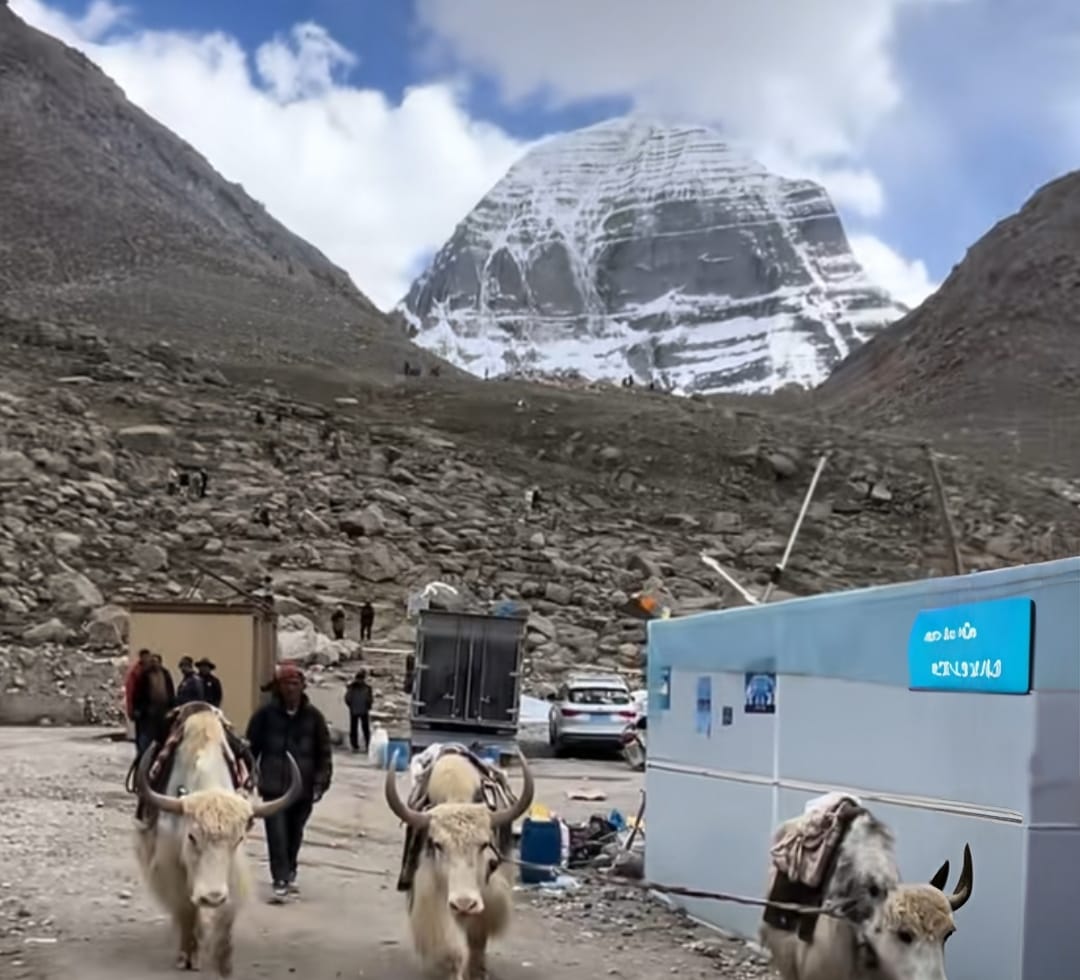
Before planning the Kailash Mansarovar Yatra, many pilgrims have hundreds of questions about preparing for the journey. This is completely natural, as the yatra requires careful planning and preparation.
Table of Contents
High Pass Adventure has compiled this comprehensive Kailash Mansarovar Yatra FAQ to answer the most common questions about the pilgrimage. These expert answers provide valuable information on trip planning, permits, routes, costs, weather, packing, altitude, and travel requirements, helping pilgrims plan their journey with confidence. Our goal is to ensure you enjoy a safe, hassle-free, memorable, and spiritually enriching Kailash Mansarovar Yatra.
Why Choose the Kailash Mansarovar Yatra (Tour)?
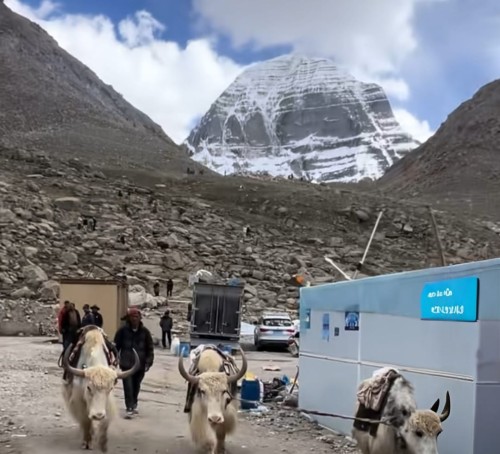
There are many reasons to choose the Kailash Mansarovar Yatra. It is one of the world's most sacred pilgrimages for Hindus, Buddhists, Jains, and followers of the Bon religion. The journey combines profound spiritual significance with breathtaking Himalayan scenery, making it a once-in-a-lifetime experience for both pilgrims and adventure travelers.
Pilgrims believe that taking a holy dip in Lake Mansarovar symbolizes spiritual purification and brings peace, good fortune, and blessings. Completing the sacred Mount Kailash Parikrama (Kora) is believed to cleanse past sins, promote spiritual growth, and bring health, longevity, and prosperity. Whether you seek spiritual fulfillment, cultural discovery, or an unforgettable Himalayan adventure, the Kailash Mansarovar Yatra offers a truly inspiring and life-changing journey.
Why Travel to Kailash Mansarovar with High Pass Adventure?
Traveling to Kailash Mansarovar with High Pass Adventure offers a safe, well-organized, and hassle-free pilgrimage experience. With many years of experience in organizing Kailash Mansarovar Yatra tours, our dedicated team provides professional service and personalized support from the moment you book your trip until you return home.
We assist with every aspect of your journey, including detailed pre-trip information, Tibet Travel Permit processing, Chinese Group Visa arrangements, accommodation, transportation, meals, experienced guides, and all necessary logistics. Our competitive pricing, transparent services, and commitment to quality ensure excellent value for every traveler.
Over the years, we have successfully organized numerous Kailash Mansarovar Yatra groups, helping hundreds of pilgrims complete this sacred journey safely and comfortably. Our experienced guides and support staff are committed to providing the highest level of service, ensuring that every traveler enjoys a memorable, meaningful, and spiritually rewarding pilgrimage.
When Is the Best Time to Visit the Kailash Mansarovar Yatra?
The best time to visit the Kailash Mansarovar Yatra is from May to September, when weather conditions are generally the most favorable for the pilgrimage. During these months, travelers can enjoy pleasant temperatures, clear mountain views, excellent photography opportunities, and safer trekking conditions with minimal rainfall or snowfall.
This period also includes important spiritual events such as the Saga Dawa Festival and several full moon dates, making the journey even more meaningful for pilgrims. In addition, weather conditions during this season provide the highest chances of successfully crossing Dolma La Pass, the highest point of the Kailash Parikrama.
The months from October to April are generally not recommended for the Kailash Mansarovar Yatra due to extreme cold, heavy snowfall, icy trails, and the closure of many travel routes and facilities.
How Does the Kailash Mansarovar Yatra Begin?
The Kailash Mansarovar Yatra begins in Kathmandu, Nepal, where pilgrims arrive before the start of the journey. The pilgrimage traditionally starts with a special puja (prayer ceremony) at Pashupatinath Temple, seeking blessings for a safe and successful yatra.
While pilgrims participate in the puja and prepare for the journey, the High Pass Adventure team completes the necessary China Group Visa and travel permit formalities. Once the visa is issued, the group travels by private vehicle from Kathmandu to the Rasuwagadhi–Kerung (Gyirong) border.
After completing the departure formalities at the Nepal Immigration checkpoint and the arrival procedures at the China Immigration checkpoint, pilgrims officially enter Tibet. From there, the overland journey to Lake Mansarovar and Mount Kailash begins.
How Long Is the Kailash Mansarovar Yatra Trip?
Our standard Kailash Mansarovar Yatra itinerary lasts 10 nights and 11 days, starting and ending in Kathmandu, Nepal. However, we recommend allowing additional 3–4 nights in Kathmandu—typically 3 nights before the journey for arrival, visa processing, and trip preparation, and 1 night after returning from the yatra. This makes the total recommended travel duration 14 nights and 15 days, including your international arrival and departure.
The complete itinerary begins with your arrival in Kathmandu from your home country and concludes with your departure after successfully completing the Kailash Mansarovar Yatra.
The overall duration can be shortened or extended based on your group's preferences and travel requirements. Factors that may affect the itinerary include the chosen route, starting and ending locations, additional acclimatization days, weather conditions, road conditions, and border procedures.
How Much Time Does It Take to Complete the Outer Mount Kailash Kora (Parikrama)?
The Outer Mount Kailash Kora (Parikrama) begins and ends in Darchen and is typically completed over three days.
On the first day, travelers drive for approximately 30 minutes from Darchen to Yamadwar, the traditional starting point of the Kora. From there, it takes about 5–6 hours to trek to Dirapuk, covering approximately 21 kilometers.
On the second day, pilgrims trek from Dirapuk to Zuthulpuk via the Dolma La Pass (5,630 m). This is the most challenging section of the Kora, covering approximately 22 kilometers and taking 9–10 hours to complete.
On the third day, the trek from Zuthulpuk to Darchen covers approximately 12 kilometers and takes around 3–4 hours.
In total, the Outer Mount Kailash Kora covers approximately 55–56 kilometers and requires 17–20 hours of walking, spread over three days. The trek is physically demanding due to the high altitude, long walking distances, and the steep ascent and descent over Dolma La Pass. Good physical fitness and proper acclimatization are highly recommended for a safe and enjoyable pilgrimage.
Can I Choose My Own Departure Date for the Kailash Mansarovar Yatra?
If you are traveling alone, you cannot choose your own departure date for the Kailash Mansarovar Yatra, even if you wish to book a private trip. Under the current regulations for travel to Tibet, a minimum of four travelers is generally required to arrange a private group departure.
If you already have four or more participants, you can select your preferred departure date, and we can organize a private Kailash Mansarovar Yatra based on your schedule.
We also offer fixed group departure dates from May to September, allowing solo travelers and small groups to join other pilgrims. These scheduled departures are ideal for travelers with flexible holiday plans who want to share the journey with fellow pilgrims.
We recommend booking in advance, especially for group-joining departures, as this provides more opportunities to match your preferred travel dates with an available group and helps ensure a smoother travel arrangement.
How Difficult Is the Kailash Mansarovar Yatra?
The Kailash Mansarovar Yatra is considered a challenging pilgrimage due to various factors, including the permit and visa process, high altitude, long travel duration, extended road journeys, and trekking at extreme elevations.
The Kailash Parikrama (Kora) is one of the most demanding parts of the journey, as pilgrims need to trek through high-altitude terrain and cross Dolma La Pass, which is the highest point of the route. In addition, travelers should be prepared for basic accommodation, limited food options, remote locations, changing weather conditions, and the physical challenges of traveling in the Himalayas.
Although the yatra is challenging, proper preparation, physical fitness, acclimatization, and guidance from an experienced travel operator like High Pass Adventure, along with a professional support team, help pilgrims complete this spiritual journey safely and successfully.
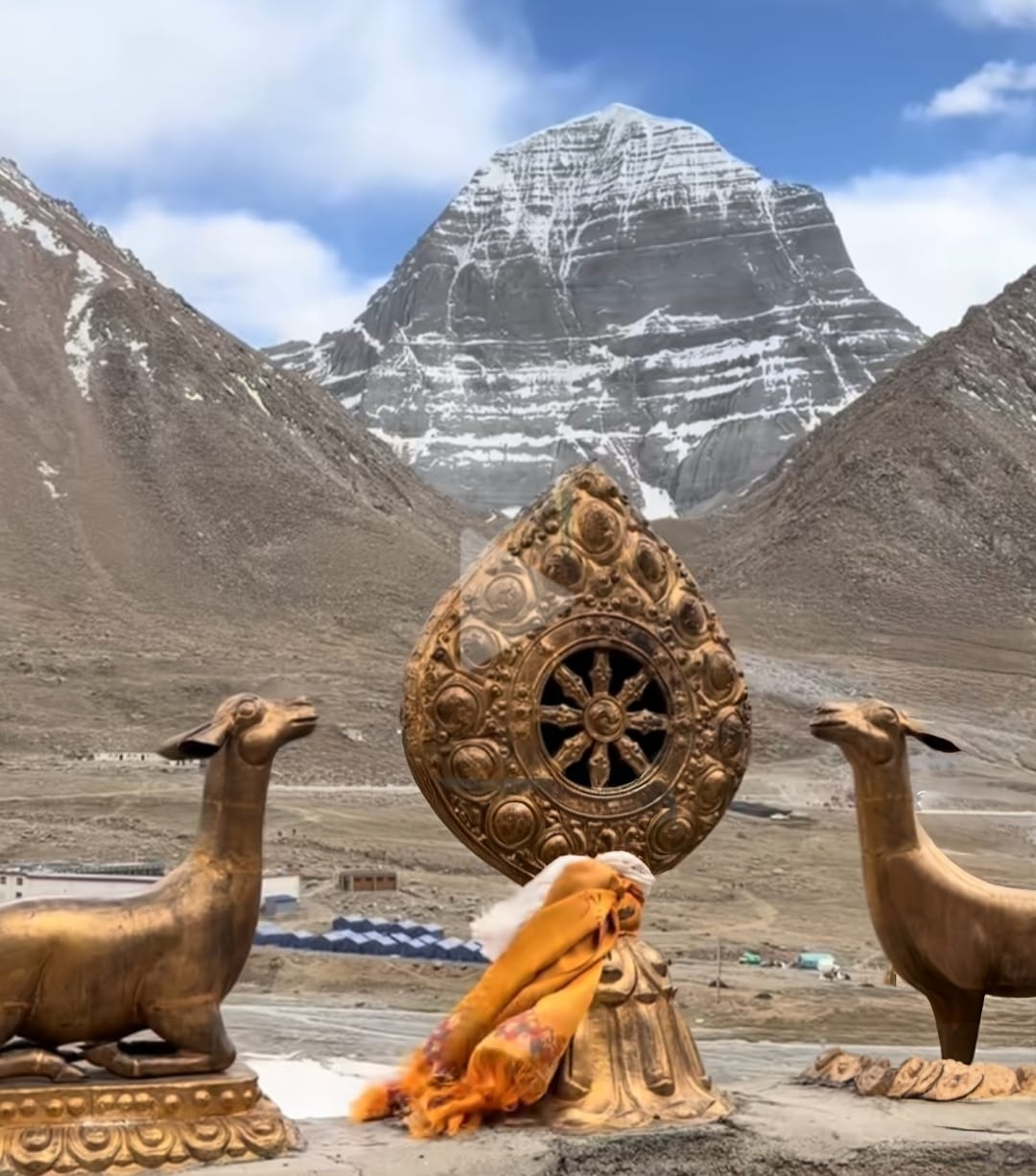
What Fitness Level Is Required for the Kailash Mansarovar Yatra Trip?
The Kailash Mansarovar Yatra requires a good level of physical fitness due to its high altitude, long travel duration, remote locations, and physically demanding trekking conditions. The most challenging part of the journey is the Mount Kailash Parikrama (Kora), where pilgrims must trek across rugged high-altitude terrain and cross Dolma La Pass, the highest point of the pilgrimage.
Good endurance, stamina, cardiovascular fitness, and a positive attitude are essential for completing the yatra safely and comfortably. Regular walking, hiking, cardio exercises, and strength training for several weeks before the trip are highly recommended to improve fitness and adapt to the physical demands of the journey.
Do I Need Training for the Kailash Mansarovar Yatra?
Yes, basic physical training is highly recommended before undertaking the Kailash Mansarovar Yatra, especially for first-time trekkers and beginners. The journey involves traveling through rugged terrain, high-altitude environments, and challenging trekking conditions, particularly during the Mount Kailash Parikrama (Kora).
It is advisable to begin your training at least two months before the trip. Regular activities such as walking, day hiking, running, jogging, cycling, swimming, stair climbing, and strength training can help improve your endurance, stamina, cardiovascular fitness, and overall physical condition.
How Safe Is the Kailash Mansarovar Yatra?
The Kailash Mansarovar Yatra is a safe and rewarding journey when you travel with an experienced and reliable operator such as High Pass Adventure. Your safety and well-being are our highest priorities throughout the pilgrimage.
At High Pass Adventure, we provide experienced guides, a professional support team, skilled cooks, comprehensive first-aid kits, and supplemental oxygen to help manage unexpected situations and high-altitude emergencies. Our carefully planned itinerary also includes adequate acclimatization time to reduce the risk of altitude sickness and help pilgrims adjust safely to the high-altitude environment.
With years of experience, meticulous trip planning, and a 90% success rate for the Kailash Mansarovar Yatra, we are committed to delivering a safe, comfortable, and memorable pilgrimage while maintaining the highest standards of service and client satisfaction.
How Busy Is the Kailash Mansarovar Yatra Route?
The Kailash Mansarovar Yatra route via Rasuwagadhi–Kerung (Gyirong) is busiest from May to September, which is the peak pilgrimage season. During these months, thousands of pilgrims and travelers from around the world visit Mount Kailash and Lake Mansarovar because of the favorable weather, clear mountain views, and important religious festivals such as Saga Dawa.
As this is the best time to undertake the pilgrimage, you can expect more visitors at border crossings, hotels, guesthouses, and along the Kailash Parikrama route. Booking your trip well in advance is highly recommended to secure your preferred departure date and travel arrangements.
From October to April, the route is much less crowded due to extremely cold temperatures, heavy snowfall, and challenging weather conditions. During this period, some routes, accommodations, and travel services may be limited, making it an unsuitable time for most pilgrims.
Can Pilgrims Take a Bath in Lake Mansarovar?
Yes, pilgrims can take a ceremonial bath in Lake Mansarovar during the pilgrimage season, which generally runs from May to September. During this period, weather conditions are relatively more favorable, although the water remains very cold due to the lake's high altitude.
According to Hindu beliefs, bathing in the sacred waters of Lake Mansarovar and drinking a small amount of its water is believed to cleanse one's sins, bring spiritual purification, and bestow blessings for a healthy, prosperous, and fulfilling life. As a result, many Hindu pilgrims choose to take a holy bath and perform religious rituals on the shores of the lake as an important part of their Kailash Mansarovar Yatra.
However, due to the cold water and high altitude, pilgrims should consider their health and physical condition before taking a bath and are advised to follow the guidance of their tour leader or guide.
How Much Does a Kailash Mansarovar Yatra Tour Cost?
The Kailash Mansarovar Yatra costs USD 2,650 per person for a group of at least 10 travelers, based on our standard 10-night, 11-day itinerary from Kathmandu to Kathmandu, including 4 nights of hotel accommodation in Kathmandu.
However, the total tour cost may vary depending on several factors, including the chosen travel route, itinerary duration, inclusions and exclusions, accommodation standard, transportation, nationality, group size, and the level of service provided.
On average, Kailash Mansarovar Yatra tour packages range from USD 2,400 to USD 4,200 per person, depending on the itinerary and travel arrangements. For the most accurate pricing, contacting High Pass Adventure for a customized quotation based on your travel dates, group size, and preferred services.
What are the other expenses for Kailash Mansarovar Yatra?
In addition to the Kailash Mansarovar Yatra package cost, travelers should budget for several personal expenses that are not included in the tour price. These may include international airfare, travel insurance, personal clothing and trekking gear, snacks and beverages, upgraded or luxury accommodations, additional meals, tips for guides and support staff, and the cost of hiring a porter or horse for the Mount Kailash Kora.
Travelers are also responsible for any additional expenses arising from changes to the itinerary due to weather conditions, government regulations, flight delays or cancellations, natural disasters, or other unforeseen circumstances. Extra accommodation costs, including stays in Darchen if the Kailash Kora cannot be completed, must also be borne by the traveler.
High Pass Adventure is not responsible for these additional personal or unforeseen expenses, and any financial costs resulting from such circumstances are the sole responsibility of the traveler.
How much extra money should each traveler carry for the Kailash Mansarovar Yatra?
We recommend that every traveler carry a minimum of USD 700–1,000 (or the equivalent amount in Nepali Rupees or Chinese Yuan) for personal and incidental expenses during the Kailash Mansarovar Yatra.
This amount can be used for shopping, beverages, tips, personal expenses, or hiring a porter or horse during the Mount Kailash Kora. Travelers are also advised to carry additional funds for emergencies, as unforeseen circumstances such as itinerary changes, medical needs, or travel delays may result in extra expenses.
Which Currency Should I Carry for the Kailash Mansarovar Yatra?
We recommend that all travelers carry Chinese Yuan (CNY/RMB) during the Kailash Mansarovar Yatra, as it is the official currency used throughout Tibet.
If you bring US Dollars (USD) to Kathmandu, you can exchange them for Chinese Yuan before the journey. Currency exchange rates in Kathmandu are generally more favorable than those available in Tibet. Although it is possible to exchange USD for Chinese Yuan in Tibet, the exchange rates are usually less competitive.
Chinese Yuan can be used in Tibet for personal expenses such as hotel tips, shopping, beverages, snacks, and other incidental purchases. If you have any Chinese Yuan remaining after completing your trip, you can exchange it back into US Dollars or your preferred currency, subject to the exchange services available.
How Many Routes Are There to the Kailash Mansarovatr Yatra?
There are three main routes to the Kailash Mansarovar Yatra, each offering a unique travel experience:
Kathmandu – Rasuwagadhi–Kerung (Gyirong) – Mount Kailash: This is the most popular and recommended overland route. It offers a good balance of scenic landscapes, gradual acclimatization, and comfortable road travel, making it the preferred choice for most pilgrims.
Kathmandu – Lhasa – Shigatse – Mount Kailash: This route begins with a flight from Kathmandu to Lhasa, followed by an overland journey through Lhasa, Shigatse, and other historic Tibetan cities before reaching Mount Kailash. It is ideal for travelers who wish to combine the pilgrimage with a cultural tour of Tibet.
Kathmandu – Nepalgunj – Simikot – Hilsa – Mount Kailash: This is the shortest route in terms of travel distance to Kailash, but it involves domestic flights to Nepalgunj and Simikot, followed by a helicopter flight to Hilsa and an overland journey into Tibet. It is a suitable option for travelers with limited time but is generally more expensive and depends heavily on weather conditions.
Among these options, the Kathmandu–Rasuwagadhi–Kerung route is widely considered the best choice because it provides better acclimatization, reliable road access, and a comfortable travel experience. If your priority is to complete the pilgrimage in the shortest possible time, the Hilsa route is an excellent alternative. For travelers interested in exploring Tibet's cultural and historical attractions, the Lhasa route offers the most rewarding experience.
Who Can Visit the Kailash Mansarovar Yatra?
The Kailash Mansarovar Yatra is open to eligible travelers who meet the age, health, and travel permit requirements set by the relevant authorities. In general, applicants should be between 12 and 68 years of age to apply for the necessary travel permits for Tibet.
Because the pilgrimage takes place at high altitude and involves physically demanding travel, participants should be in good physical health and medically fit for the journey. Travelers with serious medical conditions, such as uncontrolled high blood pressure, severe asthma, heart disease, or other conditions that may be affected by high altitude, should consult their doctor before booking the trip.
Please note that additional restrictions may apply to the Mount Kailash Parikrama (Kora). In some cases, local authorities or Tibetan guides may not permit elderly travelers or those with health concerns to undertake the Kora due to safety considerations. These requirements and regulations are subject to change, and the final decision rests with the relevant authorities.
If you are unsure about your eligibility, High Pass Adventure can advise you on the latest permit requirements and help determine whether the Kailash Mansarovar Yatra is suitable for you.
What are the document requirements to apply for Kailash Mansarovar Yatra?
The required documents for the Kailash Mansarovar Yatra include a passport with at least 6 months of validity, identification proof, a travel itinerary (based on the chosen route), recent photographs, and the necessary documents to obtain travel permits and a group visa. Pilgrims must also provide a medical fitness certificate, travel insurance, Tibet Travel Permits, and complete the required visa application form.
What Types of Equipment Are Required for the Kailash Mansarovar Yatra?
The Kailash Mansarovar Yatra requires high-quality trekking equipment and gear to ensure your safety, comfort, warmth, and overall well-being throughout the journey. As the tour takes place at high altitudes and includes crossing the challenging Dolma La Pass, weather conditions can change rapidly, with cold temperatures, especially during the early mornings, evenings, and at higher elevations.
Essential trekking equipment includes sturdy waterproof trekking boots, trekking poles, a comfortable backpack, a warm sleeping bag, thermal base layers, fleece or insulated mid-layers, waterproof and windproof outerwear, and a high-quality down or synthetic insulated jacket.
Other important items include a headlamp with spare batteries, a power bank, reusable water bottles or a hydration system, water purification tablets or a water filter, energy snacks, sunscreen and lip balm with a high SPF rating, sunglasses with UV protection, gloves, a warm hat, personal toiletries, and a basic first-aid kit.
For a complete checklist, please refer to our detailed Kailash Mansarovar Yatra Packing List, which covers all the essential clothing, trekking gear, and personal items recommended for a safe and comfortable pilgrimage.
What Equipment Is Provided by High Pass Adventure for the Kailash Mansarovar Yatra?
For the Kailash Mansarovar Yatra, High Pass Adventure provides essential trekking equipment to help make your journey more comfortable and convenient. The equipment includes a high-quality down jacket, sleeping bag, trekking poles, a day backpack, and a duffel bag for your personal belongings.
All borrowed equipment must be returned in good condition at the end of the trip. In addition, we provide every traveler with a complimentary High Pass Adventure T-shirt and a warm beanie (winter hat) as souvenirs.
This service is especially beneficial for travelers who do not own trekking equipment, as purchasing high-quality gear can be expensive. By using the equipment provided by High Pass Adventure, you can travel with lighter luggage and avoid the cost of buying gear that you may only use once.
Our complimentary equipment service is one of the many benefits of booking your Kailash Mansarovar Yatra with High Pass Adventure. It helps make your pilgrimage more convenient, comfortable, and cost-effective.
What Kind of Accommodation Is Available During the Kailash Mansarovar Yatra?
During the Kailash Mansarovar Yatra, travelers stay in comfortable 3-star hotels in Kathmandu and basic guesthouses throughout the journey in Tibet.
Accommodation is generally provided on a twin-sharing basis wherever possible. In some remote locations, rooms may be shared by 4–5 travelers and offer basic facilities, including clean bedding, pillows, blankets, attached or shared bathrooms, and hot showers where available.
During the Mount Kailash Kora, accommodation is much more basic due to the remote mountain environment. Guesthouses are simple, with dormitory-style rooms shared by 5–10 people, and toilet facilities are usually shared. Hot showers and modern amenities may not be available in these areas.
At higher elevations, guesthouses typically provide only one blanket per person. Therefore, we strongly recommend bringing a warm sleeping bag for added comfort and protection against the cold during the pilgrimage.
What Food Is Available During the Kailash Mansarovar Yatra?
During the Kailash Mansarovar Yatra, pure vegetarian meals are provided throughout the journey. In Kathmandu, pilgrims enjoy buffet-style breakfasts and dinners at their hotel. Lunch is generally not included while sightseeing in Kathmandu, allowing travelers to choose from a variety of local restaurants.
On the Tibet side, all meals are freshly prepared and served by High Pass Adventure's experienced kitchen team. The menu is carefully planned to provide nutritious, hygienic, and energy-rich meals suitable for high-altitude travel.
Breakfast typically includes hot beverages such as Bournvita, hot chocolate, Horlicks, a variety of teas, coffee, and hot water, along with options such as porridge, cornflakes, muesli, pancakes, bread, parathas, puri, vegetables, and other vegetarian dishes.
Lunch is usually packed in insulated hot pots and served at a scenic stop along the route. It may include fruit juice (such as Frooti), tea or hot water, puri or chapati with vegetables, pasta, noodles, fried potatoes, beans, pickles, fresh or canned fruit, and light desserts.
Dinner is prepared and served by our kitchen staff at the guesthouse or hotel and typically includes soup, popcorn, Indian bread (roti), vegetable curries, vegetarian momos, dal, rice, potatoes, salads, noodles, and a dessert.
Our experienced cooks take great care to prepare fresh, wholesome meals throughout the journey. However, because the Yatra takes place in remote, high-altitude regions where ingredients are limited, the variety and style of food may differ from what travelers are accustomed to at home.
What Kind of Transportation Is Used in Nepal and Tibet During the Kailash Mansarovar Yatra?
During the Kailash Mansarovar Yatra, transportation is provided by private vehicles, with the type of vehicle depending on the group size, road conditions, and the selected tour itinerary.
For smaller groups, comfortable 4WD jeeps are typically used. Groups of around 10–12 travelers usually travel in a minibus or Toyota Coaster, while larger groups of 20 or more participants are transported in a comfortable tourist bus.
All vehicles are selected to provide a safe and comfortable journey on both the highways of Nepal and the rugged roads of Tibet. They are well-suited for long-distance travel, allowing pilgrims to enjoy the spectacular Himalayan scenery while traveling comfortably throughout the pilgrimage.
Is Wi-Fi or Mobile Data (Internet) Available During the Kailash Mansarovar Yatra?
Yes, Wi-Fi is available at many hotels and guesthouses along the Kailash Mansarovar Yatra route. However, due to the remote nature of the region, internet access may be limited, slow, or unavailable in some areas, especially during the Mount Kailash Kora.
For mobile internet, travelers can purchase a Chinese SIM card after entering Tibet (subject to local regulations and availability). A Chinese SIM card provides better network coverage and allows you to access mobile data in most towns and populated areas throughout the journey. Please note that network coverage may still be unavailable in remote mountain regions.
If you are unable to access the internet during the trip and need to contact your family or friends in an emergency, you can request assistance from your Tibetan guide or tour leader. They will do their best to help you communicate whenever possible.
Do I Need Travel Insurance for the Kailash Mansarovar Yatra?
Yes, comprehensive travel insurance is highly recommended for the Kailash Mansarovar Yatra. This pilgrimage takes place in remote, high-altitude regions of Nepal and Tibet, where medical facilities are limited and emergency evacuation or assistance can be difficult and costly.
Your travel insurance policy should provide coverage for high-altitude trekking, altitude sickness, emergency medical treatment, hospitalization, emergency evacuation, trip delays, trip cancellation or interruption, loss of baggage, and other unforeseen circumstances that may arise during the journey.
Without adequate travel insurance, any medical treatment, evacuation, or other emergency expenses must be paid by the traveler and can be extremely expensive.
Before your departure, carefully review your insurance policy to ensure that it covers high-altitude travel and trekking activities in both Nepal and Tibet (China). It is your responsibility to confirm that your policy provides sufficient coverage for all aspects of the Kailash Mansarovar Yatra.
What Are the Signs of Altitude Sickness and How Can It Be Prevented During the Kailash Mansarovar Yatra?
During the Kailash Mansarovar Yatra, travelers may experience high-altitude sickness, also known as Acute Mountain Sickness (AMS), because the journey takes place at elevations above 4,000 meters where oxygen levels are significantly lower.
Common symptoms of AMS include headache, nausea, dizziness, fatigue, loss of appetite, shortness of breath, difficulty sleeping, and general weakness. These symptoms are usually mild and often improve with proper rest and acclimatization.
If symptoms become severe—such as persistent vomiting, extreme shortness of breath, confusion, loss of coordination, difficulty walking, or swelling of the face or hands—immediate medical attention is required. In serious cases, descending to a lower altitude is the most effective treatment.
Although altitude sickness cannot be completely prevented, the risk can be greatly reduced by following these important precautions:
- Follow a well-planned itinerary that allows adequate time for acclimatization.
- Ascend gradually and maintain a slow, steady walking pace.
- Drink plenty of water to stay well hydrated.
- Take regular rest breaks and avoid overexertion.
- Avoid alcohol and smoking at high altitudes.
- Eat regular, nutritious meals, especially foods rich in carbohydrates.
- Monitor your oxygen saturation and pulse rate regularly, if possible.
- Inform your guide immediately if you experience any symptoms of altitude sickness.
- Take altitude sickness medication, such as Diamox (Acetazolamide), only after consulting your doctor or a qualified medical professional.
High Pass Adventure carefully designs every Kailash Mansarovar itinerary to allow proper acclimatization and provides experienced guides who are trained to recognize the early signs of altitude sickness and assist travelers throughout the journey. Following your guide's instructions and listening to your body are the best ways to enjoy a safe and successful pilgrimage.
Should I Bring Medicines for the Kailash Mansarovar Yatra?
Yes, it is highly advisable to bring your own basic medicines for the Kailash Mansarovar Yatra. You will be traveling through remote, high-altitude regions of Nepal and Tibet, where medical facilities are limited and access to pharmacies may not always be available. In addition, locally available medicines may differ from those you are accustomed to or may not be suitable for your specific needs.
We recommend carrying a personal medical kit that includes paracetamol or other pain relievers, ibuprofen, cold and flu medication, nasal decongestants, antiseptic solution (such as Dettol), adhesive bandages, blister treatment supplies, muscle pain relief spray or gel, anti-diarrheal medication, oral rehydration salts (ORS), and any other over-the-counter medicines you commonly use. If recommended by your doctor, you may also carry Diamox (Acetazolamide) to help prevent altitude sickness.
If you have any allergies, existing medical conditions, or take prescription medications regularly, you should consult your doctor before traveling. Your healthcare provider can advise you on the medicines you should carry and any additional precautions based on your health and the high-altitude environment of the Kailash Mansarovar Yatra.
Although High Pass Adventure carries a basic first-aid kit and emergency medicines for common conditions, travelers are strongly encouraged to bring their own personal medications in sufficient quantities for the entire journey. Being well prepared will help ensure a safer and more comfortable pilgrimage.
Are you interested on any of your travel serveices?
Make Inquiry NowRecent From Blog
15th Jun, 2023
21st Feb, 2021
28th Feb, 2018
5th Sep, 2023

13th May, 2019
19th Feb, 2019
8th Feb, 2021
21st Jan, 2021
29th Jul, 2020
3rd May, 2019
30th Apr, 2020

3rd Apr, 2020
17th Jul, 2020
26th Mar, 2020
31st Mar, 2020
19th Jun, 2023
11th Feb, 2020
11th Mar, 2020
27th Sep, 2019
17th May, 2019
26th Jul, 2020
6th May, 2019
5th Mar, 2019
7th Mar, 2020
18th Feb, 2019
12th Sep, 2019

27th Mar, 2018
27th Mar, 2019
2nd Mar, 2019
16th Jan, 2019

1st Jul, 2023
5th Jul, 2023

5th Jul, 2023

5th Jul, 2023

5th Jul, 2023
5th Dec, 2019
6th Jan, 2019
28th Feb, 2018
9th Dec, 2018
11th Dec, 2018

5th Oct, 2023

3rd Jan, 2024
.jpg)
27th Jan, 2024
29th Jan, 2024
19th Jan, 2025

7th Feb, 2025

17th Feb, 2025
9th Mar, 2025

15th Mar, 2025

18th Mar, 2025

23rd Mar, 2025

25th Mar, 2025

26th Mar, 2025

24th Apr, 2025

21st May, 2025

21st May, 2025

22nd Jun, 2025

22nd Jun, 2025
4th Jul, 2025

14th Jul, 2025

14th Sep, 2025
26th Sep, 2025
20th Dec, 2025
28th Jan, 2026
17th May, 2026
18th May, 2026
2nd Jun, 2026
7th Jun, 2026

9th Jun, 2026
13th Jun, 2026
14th Jun, 2026
2nd Jul, 2026
7th Jul, 2026
16th Jul, 2026
25th Jul, 2026

2nd Aug, 2026
5th Aug, 2026
9th Aug, 2026